

Propulsion Fluidics Engineer
Propulsion - Villeneuve, CH
The position
- Crew
- Propulsion
- Location
- Villeneuve, CH
- Type of contract
- Full-time
Your role
Our IOD mission is on the clock. The main engine feed system and the cold gas RCS are both greenfield: no legacy constraints, just a propulsion team ready to support you and a timeline that means your first design decisions need to happen in weeks, not months. You'll own the full fluidic architecture of the spacecraft as a subsystem lead within the propulsion team.
You will own
Size and design the HTP main engine feed system, from concept to flight
Size and design the cold gas RCS thruster and feed system, from concept to flight
Verification and validation strategy for both propulsion fluidic systems
Fluidic Ground Support Equipment design for system testing, validation, and launch pad fuelling
Hands-on contribution to Assembly, Integration, and Test campaigns: troubleshooting, functional tests, environmental testing support
What we are looking for
2+ years of proven experience with propellant feed systems, valves, and regulators, preferably in aerospace, aeronautical, or automotive applications
Degree in Mechanical or Aerospace Engineering, or equivalent experience that tells the same story
Strong fundamentals in fluid dynamics, thermodynamics, and heat transfer
Proficiency in CAD and fluidics system modelling (NX, Python, MATLAB, or equivalent)
Solid understanding of the space environment and its constraints: loads, thermal, vibration, materials
Hands-on experience with prototype assembly, fluidic system integration, and testing
Fluent English (our working language)
Nice to have: full prototype lifecycle experience from manufacturing through testing, French language skills, experience qualifying fluid systems for flight.
You will fit if
You want to own two critical subsystems from a blank page to flight hardware, not contribute a slice of someone else's design.
You're as comfortable in the test lab tightening fittings as you are at your desk sizing a regulator.
You prioritise simplicity and robustness over elegance, because what you design has to work in orbit.
You move fast through design iterations and don't wait for perfect inputs to start.
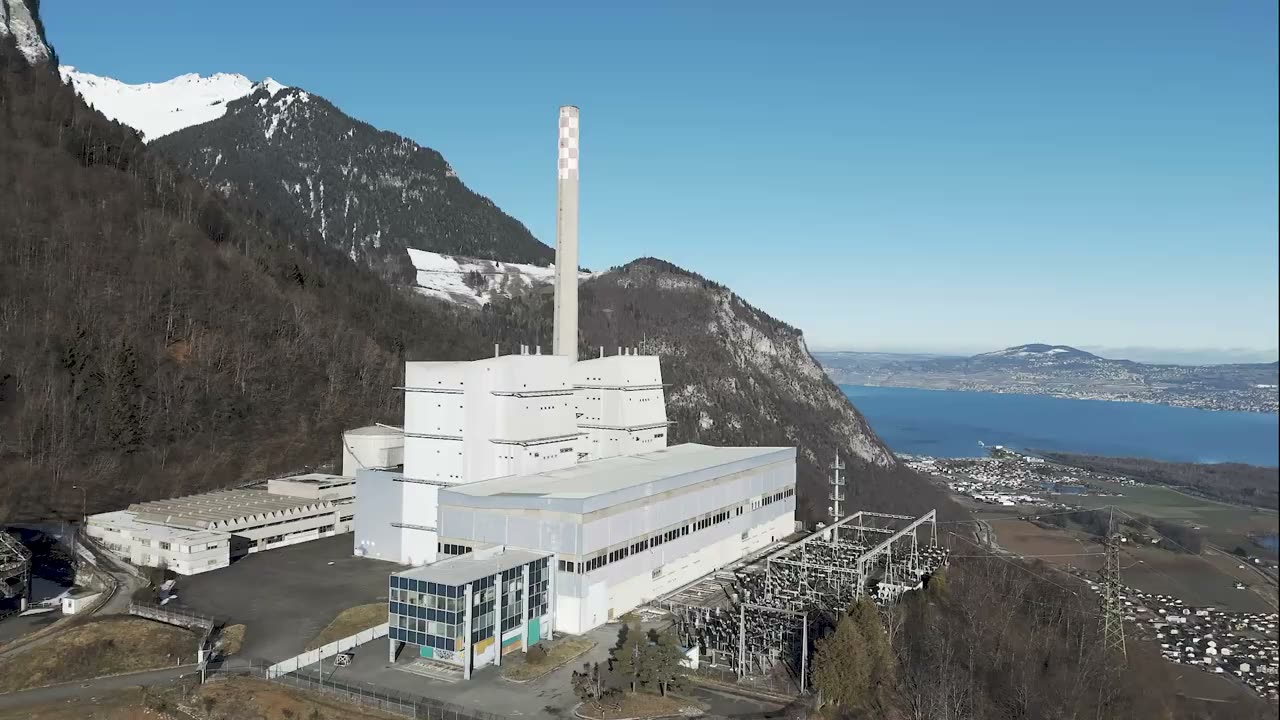
This is fully on-site in Villeneuve (VD). Both systems are greenfield, which means there's nothing to inherit and everything to build. The timeline to flight is real and tight: design cycles will be measured in weeks, and decisions you make early will be hard to revisit later. That's the nature of the work, not a warning. What makes that worth it: you'll see hardware you designed from scratch fly on the most ambitious space programme in Switzerland, with your fluidic architecture keeping it alive from engine ignition to final orbit insertion.
We are building to ship, grounded on real hardware, real funding, real milestones. Apply to contribute, or send this to the propulsion engineer you know who's been waiting for exactly this kind of ownership.