

FPGA Engineer
Avionics - Villeneuve, CH
The position
- Crew
- Avionics
- Location
- Villeneuve, CH
- Type of contract
- Full-time
Your role
Our next generation of avionics needs someone to decide where FPGAs belong in it, then design that logic from the ground up.
PAVE Space is building LYOBA, a heavy kick stage moving up to 4-ton payloads from LEO to high-energy orbits in under 24 hours.
So, why now?
We're defining the next generation of our avionics, and how FPGAs fit into it is still an open question. You'll answer that question, and you’ll carry your designs from architecture through verification to a board on the bench, with design iterations measured in weeks, not quarters.
You will own
Define how FPGAs fit into our next-generation avionics architecture
Architecture and implement FPGA design, from first block diagram to place and route
Verification of your designs, and support for verification of the boards they run on
Contribute to our hardware-in-the-loop infrastructure
What we are looking for
Several years of FPGA design experience, ideally in a high-reliability setting
Strong experience in simulation and verification of FPGA designs
Experience covering the whole flow, from architecture to place and route
Hands-on experience with FPGA board bring-up and debug
Clear and effective communication in English
Nice to have: FPGA PCB design (a very strong plus), familiarity with space standards, DSP or mixed-signal experience.
You will fit if
You'd rather help decide where the FPGA goes in the architecture than get a spec someone else already settled.
You don't call a design finished until it works in simulation and on the board.
You're as comfortable at the bench with a scope during bring-up as you are in your simulation environment.
You explain your design choices clearly enough that the board and software engineers around you can build on them.
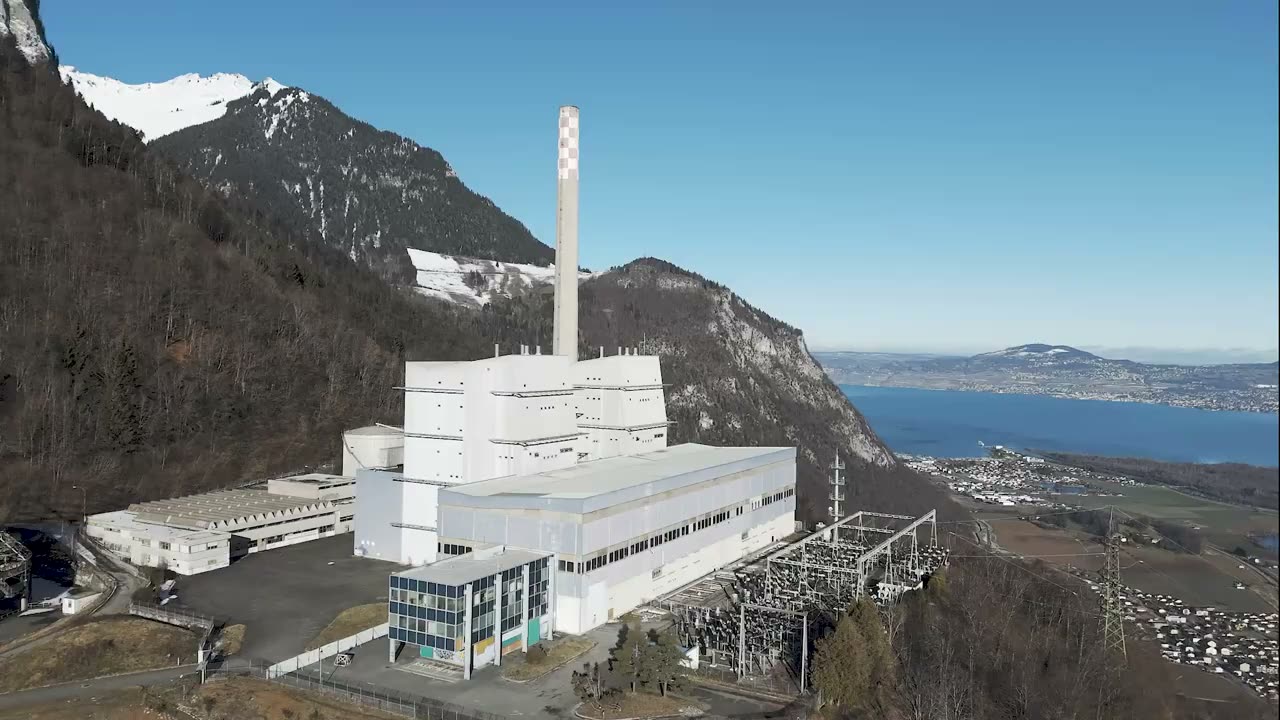
The position is fully on-site in Villeneuve (VD). We believe a board gets debugged fastest when the people who designed it are standing next to it. Our next-generation avionics are being defined right now, so the architecture isn't settled yet. Expect open questions rather than a finished reference design, and expect some first bring-ups not to go to plan.
What makes that worth it: the choices you make about FPGAs will shape how next generation of avionics is built. You'll carry those choices all the way to a board you brought up yourself.
We are building to ship, grounded on real hardware, real funding, real milestones. Apply to contribute, or send this to the FPGA engineer you know who'd rather own the architecture than inherit it.